Power Steering Fluid Leak: Can You Drive & Repair Guide
If you’ve noticed a red or amber puddle under your car, heard a whining noise while turning the steering wheel, or suddenly found your steering harder to control, you may be dealing with a power steering fluid leak. While it might seem like a minor inconvenience at first, ignoring the problem can lead to expensive repairs and compromise your ability to steer safely.
The good news is that many power steering leaks can be diagnosed early and repaired before they cause significant damage. Understanding what causes these leaks, recognizing the warning signs, and knowing when to call a professional can save you both time and money.
At Tampa Mobile Mechanic Hub, we’ve helped drivers throughout Tampa, Brandon, Clearwater, St. Petersburg, South Tampa, Carrollwood, Westchase, Downtown Tampa, and Plant City diagnose and repair steering problems without the inconvenience of visiting a repair shop. In many cases, our mobile mechanics can inspect and repair the issue right where your vehicle is parked.

Why It Happens
A power steering fluid leak happens when hydraulic fluid escapes from the steering system through a damaged hose, worn seal, leaking pump, cracked reservoir, or failing steering rack. As the fluid level drops, the steering wheel becomes harder to turn, and driving with low fluid can eventually damage the power steering pump. The sooner the leak is repaired, the less likely you’ll face a more expensive repair later.
What Is a Power Steering Fluid Leak?
Most vehicles use a hydraulic power steering system to make steering easier. The system relies on pressurized fluid to help turn the wheels with minimal effort. The fluid travels through several components, including:
- Power steering pump
- Fluid reservoir
- High-pressure and return hoses
- Steering rack
- Seals and fittings
If any of these parts wear out or become damaged, fluid can leak out. Even a small leak reduces hydraulic pressure, making the steering system work harder. Many leaks begin gradually. You might only notice a few drops of fluid on your driveway or an occasional whining noise when parking. Over time, however, that minor leak can become a larger problem if it’s left unrepaired.
Common Signs of a Power Steering Fluid Leak
Most vehicles provide clear warning signs before the steering system fails completely. Recognizing these symptoms early can help you avoid more costly repairs.
Fluid Under the Front of the Vehicle
One of the first signs is a small puddle beneath the front of your car. Fresh power steering fluid is usually:
- Red
- Pink
- Light amber
Older fluid may appear darker or brownish. While other automotive fluids can also leak, a reddish oily puddle near the front of the vehicle often points to the power steering system.
Steering Wheel Feels Hard to Turn
As fluid escapes, the system loses hydraulic pressure. You may notice:
- Heavy steering
- More effort when parking
- Difficulty turning at low speeds
- Steering that feels inconsistent
If the steering suddenly becomes very stiff, avoid driving until the vehicle has been inspected.
Whining or Groaning Noise
Low power steering fluid often causes the pump to make a whining or groaning sound. These noises are usually most noticeable:
- While parking
- During slow turns
- When turning the steering wheel fully left or right
A noisy pump is often an early warning that the fluid level is too low.
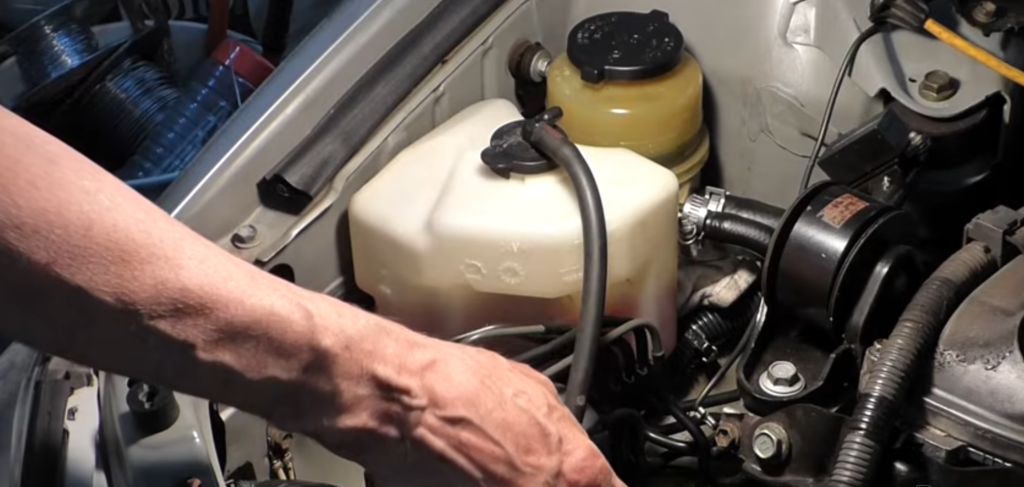
Low Fluid Level
Power steering fluid shouldn’t disappear under normal conditions. If you repeatedly need to refill the reservoir, there’s almost certainly a leak somewhere in the system. Adding more fluid may restore steering temporarily, but it doesn’t solve the underlying problem.
Visible Leaks Around Steering Components
Sometimes the leak is easy to spot. Check around:
- Power steering hoses
- Reservoir
- Pump
- Steering rack
- Hose connections
Wet, oily surfaces often indicate the source of the leak.
What Causes a Power Steering Fluid Leak?
Most power steering leaks happen because rubber components wear out over time. Heat, age, vibration, and everyday driving slowly weaken hoses and seals until fluid begins escaping. Here are the most common causes.
Worn Power Steering Hoses
Rubber hoses carry hydraulic fluid through the steering system. After years of exposure to engine heat and pressure, they can crack or become brittle. A leaking hose is one of the most common—and often one of the easiest—power steering repairs.
Leaking Power Steering Pump
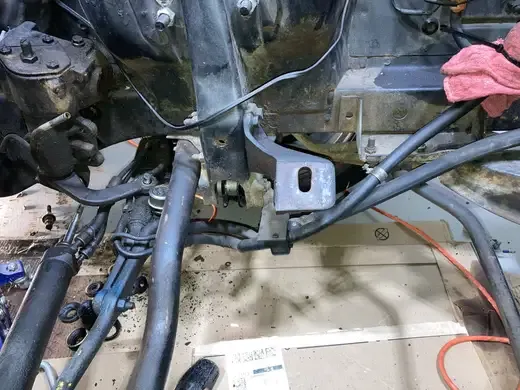
The power steering pump contains seals that keep hydraulic fluid inside the system. As these seals wear out, fluid may begin leaking around the pump. Common signs include:
- Whining noise
- Fluid near the pump pulley
- Heavy steering
- Low reservoir level
If caught early, replacing a leaking pump can prevent damage to other steering components.
Damaged Steering Rack
The steering rack converts hydraulic pressure into steering movement. Internal seals can wear out over time, allowing fluid to leak from the rack. Because steering rack repairs are generally more involved, identifying the problem early can help prevent additional damage.
Cracked Reservoir or Loose Fittings
Sometimes the leak isn’t coming from a major component at all. Loose hose clamps, damaged fittings, cracked reservoirs, or worn O-rings can all allow fluid to escape. A professional inspection helps identify the exact source before unnecessary parts are replaced.
Can You Drive With a Power Steering Fluid Leak?
The short answer is you shouldn’t if you can avoid it. A small leak may not immediately affect how your vehicle drives, but the situation can change quickly. As the fluid level drops:
- Steering becomes harder.
- The power steering pump receives less lubrication.
- Heat builds inside the system.
- The risk of pump failure increases.
If the steering suddenly becomes difficult or you hear loud whining every time you turn the wheel, it’s safest to stop driving and have the vehicle inspected. Many drivers continue adding fluid every few days instead of repairing the leak. While this may keep the vehicle moving temporarily, it doesn’t fix the underlying issue. In most cases, repairing a leaking hose or seal early is much less expensive than replacing a damaged power steering pump or steering rack
How Is a Power Steering Fluid Leak Diagnosed?
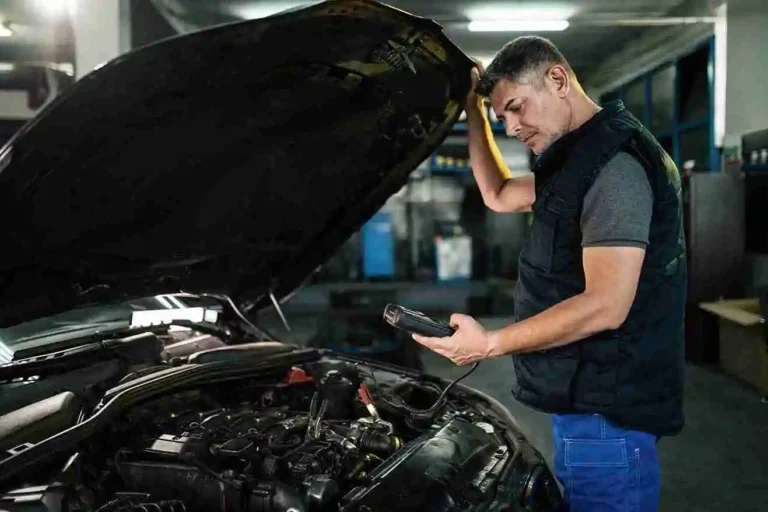
Finding the exact source of a power steering leak isn’t always as simple as looking for the puddle under your vehicle. Fluid can travel along hoses or engine components before it drips onto the ground, making the leak appear to come from the wrong place. A professional inspection usually includes:
- Checking the power steering fluid level and condition
- Inspecting the reservoir, hoses, and fittings
- Looking for leaks around the power steering pump
- Examining the steering rack and rack boots
- Checking for damaged seals or loose connections
Can a Mobile Mechanic Repair a Power Steering Fluid Leak?
Yes, in many cases.
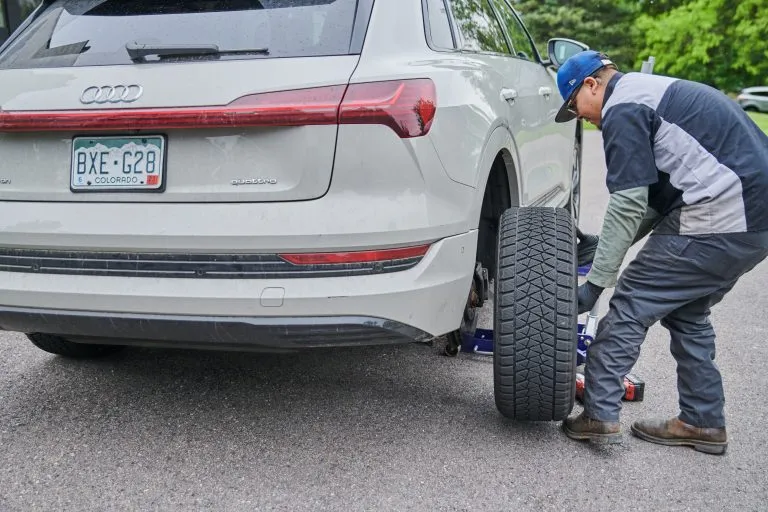
One of the biggest advantages of hiring a mobile mechanic is convenience. Instead of arranging a tow or waiting at a repair shop, many steering repairs can be completed at your home, workplace, or another safe location. Depending on your vehicle and the source of the leak, a mobile mechanic may be able to perform:
- Power steering hose replacement
- Power steering pump replacement
- Reservoir replacement
- Fluid refill and system bleeding
- Leak diagnosis and inspection
However, if the steering rack has extensive internal damage or the repair requires specialized equipment, your mechanic may recommend a repair facility. A proper inspection will determine the best solution for your vehicle.
For drivers across Tampa, Brandon, Clearwater, St. Petersburg, South Tampa, Carrollwood, Westchase, Downtown Tampa, and Plant City, mobile repairs can often save both time and the cost of towing.
How Much Does It Cost to Repair a Power Steering Fluid Leak?
The cost of repairing a power steering fluid leak depends on what’s leaking, not just the fact that there’s a leak. Several factors affect the total repair cost, including:
- The source of the leak
- Your vehicle’s make and model
- Labor required to access the damaged part
- Whether additional steering components have been damaged
For example, replacing a worn hose is generally less expensive than replacing a steering rack. Likewise, repairing a small leak early is often much more affordable than waiting until the power steering pump fails due to low fluid. The best way to avoid unnecessary expense is to have the leak diagnosed as soon as you notice symptoms.
If you think Mobile Mechanics are expensive then shop repair, you must check our Guide on Are mobile mechanics really expensive in Tampa bay.
How to Prevent Future Power Steering Leaks
While some wear is inevitable as a vehicle ages, a few simple maintenance habits can help extend the life of your steering system.
Check the Fluid Level Regularly
Inspect the power steering reservoir during routine maintenance. A dropping fluid level is often the first sign of a developing leak.
Repair Small Leaks Early
A damp hose or minor seep may not seem urgent, but small leaks rarely stay small. Addressing the problem early can help prevent damage to the pump or steering rack.
Use the Correct Fluid
Always use the type of power steering fluid recommended by your vehicle’s manufacturer. Using the wrong fluid can damage seals and reduce system performance.
Inspect Hoses and Seals
Rubber hoses and seals naturally wear over time, especially in Florida’s hot climate. Periodic inspections can identify aging components before they fail.
Frequently Asked Questions
Can I drive with a power steering fluid leak?
A small leak may allow you to drive a short distance, but it’s not recommended. As the fluid level drops, steering becomes more difficult and the power steering pump can be damaged. If the steering suddenly feels heavy or you hear loud whining noises, have the vehicle inspected before driving further.
What causes a power steering fluid leak?
Most leaks are caused by worn hoses, deteriorated seals, leaking power steering pumps, damaged steering racks, or loose hose connections. Age, heat, and normal wear are the most common reasons these components begin to fail.
What color is power steering fluid?
Fresh power steering fluid is usually red, pink, or light amber. As it ages, it often turns dark red or brown. Because other automotive fluids can have similar colors, a professional inspection is the best way to confirm the source of a leak.
Will adding more power steering fluid fix the problem?
No. Adding fluid only replaces what has leaked out. It won’t repair a cracked hose, worn seal, or leaking pump. The leak will continue until the damaged component is repaired or replaced.
Can a mobile mechanic repair a power steering leak?
Yes. Many common repairs—including hose replacement, pump replacement, fluid replacement, and leak diagnosis—can often be completed by a mobile mechanic at your home or workplace. More complex steering rack repairs may require a repair shop.
How long does a power steering leak repair take?
Repair time depends on the source of the leak. Simple hose or reservoir replacements are typically quicker than steering rack repairs. After diagnosing the problem, your mechanic can provide a more accurate estimate.
Why Choose Tampa Mobile Mechanic Hub?
When your steering system isn’t working properly, convenience matters just as much as quality repairs. At Tampa Mobile Mechanic Hub, we bring professional diagnostics and many steering repairs directly to your location, helping you avoid the hassle of towing your vehicle to a shop.
Whether your car is parked at home, at work, or won’t safely make it to a repair facility, our experienced mobile mechanics can inspect the steering system, locate the source of the leak, and recommend the most effective repair.
Final Thoughts
A power steering fluid leak is one of those problems that’s easy to overlook—until it affects how your vehicle handles. What starts as a few drops of fluid on the driveway can eventually lead to stiff steering, a damaged power steering pump, or more expensive repairs if ignored. The key is to act early. If you’ve noticed a fluid leak, heard a whining noise while turning, or your steering wheel suddenly feels harder to turn, scheduling a professional inspection can help identify the problem before it gets worse.