Bad Battery Symptoms: 10 Signs Your Car Battery Is Going Bad
A weak or failing car battery can leave you stranded without much warning. Sometimes, however, your vehicle gives you several signs before the battery completely fails. If your car is cranking slowly, making clicking sounds, showing dim lights, or needing frequent jump-starts, your battery may be getting weak. These symptoms can also be caused by the alternator, starter, or another electrical problem, so proper testing is important.
In this guide, we’ll cover the most common bad battery symptoms, how to tell if your battery is failing, and what you should do before your vehicle refuses to start.
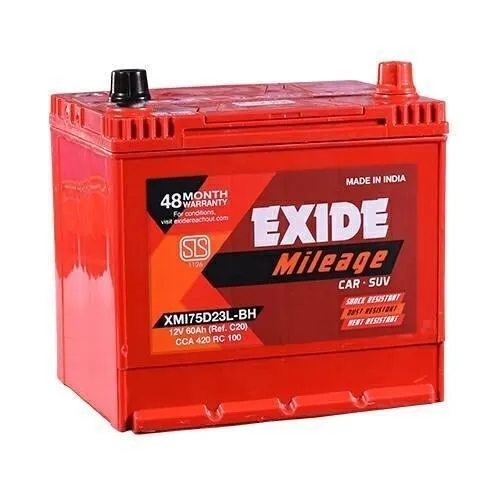
10 Common Bad Battery Symptoms
1. Slow Engine Cranking
One of the most common signs of a weak car battery is a slow-cranking engine. When you start your vehicle, the battery provides the electrical power needed by the starter motor. A battery that is losing its capacity may not deliver enough power to turn the engine at its normal speed. You may notice that the engine sounds slower than usual when you turn the key or press the start button. A slow crank can also be caused by a bad starter, corroded connections, or other electrical problems, so the battery should be tested before replacing it.
2. Clicking When You Try to Start
Hearing a rapid clicking sound when you try to start your car is another common battery-related symptom. The clicking may occur because the battery does not have enough power to operate the starter properly. However, loose battery terminals, a faulty starter, or other electrical problems can cause similar symptoms. If you hear clicking but the engine doesn’t crank, have the battery and starting system checked.
3. Dim Headlights and Interior Lights
Dim headlights can indicate that your vehicle’s electrical system isn’t receiving adequate power. If your headlights or interior lights appear noticeably weaker than normal, the battery may be discharged or failing. A weak alternator, poor electrical connection, or wiring problem can produce similar symptoms. If dim lights occur along with slow starting, the battery and charging system should be inspected together.
4. Electrical Accessories Work Slowly
A weak battery or low system voltage can sometimes cause electrical accessories to behave differently. You may notice power windows moving more slowly, dashboard lights flickering, the radio resetting, or other electronic features behaving inconsistently. These symptoms don’t automatically mean the battery is bad. Modern vehicles have complex electrical systems, so testing can help identify the actual problem.
5. Your Car Needs Frequent Jump-Starts
If you have needed to jump-start your car several times recently, don’t keep treating it as a temporary problem. A battery that repeatedly loses its charge may be reaching the end of its service life. However, the alternator could also be failing to recharge the battery, or an electrical component could be draining the battery while the vehicle is parked. A battery and charging-system test can help determine why the vehicle keeps going dead.
6. The Battery Warning Light Comes On
If the battery-shaped warning light appears on your dashboard, it doesn’t necessarily mean the battery itself is bad. This warning light often indicates a problem with the vehicle’s charging system. The alternator, battery, wiring, belt, or electrical connections could be involved. If the light remains on while the engine is running, don’t ignore it. A charging problem can eventually cause the vehicle to lose electrical power and stop running.
7. Corrosion Around the Battery Terminals
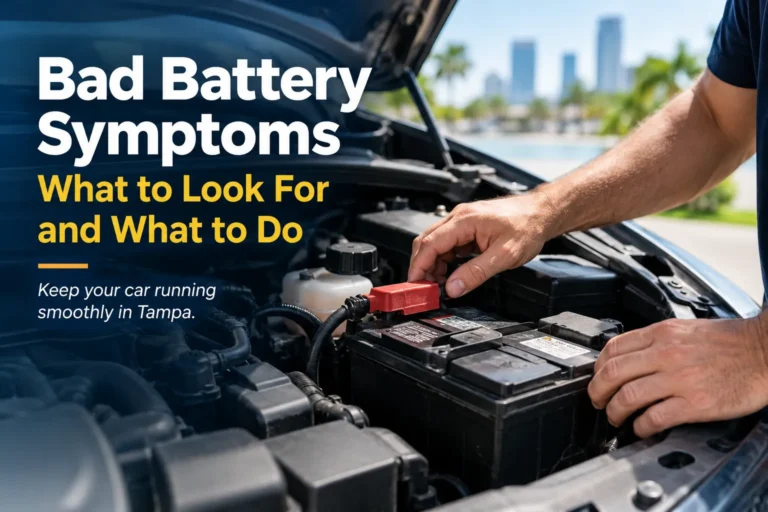
Open the hood and check the battery terminals for visible corrosion. White, blue, or greenish buildup around the terminals can interfere with the electrical connection between the battery and vehicle. Corrosion doesn’t automatically mean the battery needs to be replaced. Cleaning the connections may sometimes resolve the issue, but the battery and charging system should also be checked if starting problems are present.
8. A Swollen or Damaged Battery Case
A battery that looks swollen, bulged, cracked, or physically damaged should be taken seriously. Battery damage can be associated with excessive heat, overcharging, age, or internal failure. Do not ignore a visibly damaged battery. Have it inspected and replaced when necessary rather than continuing to use a battery that may be unsafe or unreliable.
9. The Battery Dies After the Car Sits
Does your car start normally one day but have a dead battery after sitting overnight? An aging battery may no longer be able to hold a charge properly. However, repeated overnight discharge can also indicate a parasitic electrical drain. Interior lights, aftermarket electronics, faulty modules, or other electrical components can sometimes continue drawing power when the vehicle is parked. If a relatively new battery repeatedly dies while the car is sitting, the vehicle should be tested for excessive electrical draw.
10. Your Car Won’t Start
A completely dead battery can result in a vehicle that won’t start at all. You may get no response when turning the key, or you may hear clicking without the engine cranking. But a no-start condition isn’t always a battery problem. A failed starter, alternator, ignition component, wiring issue, or another mechanical or electrical fault could be responsible. Testing the vehicle before replacing parts can prevent unnecessary repairs.
How Long Does a Car Battery Last?
There is no single lifespan that applies to every automotive battery. Battery life depends on the vehicle, driving habits, climate, battery quality, electrical demands, and charging-system condition. Short trips and frequent starting can put additional demands on a battery. Extreme temperatures can also affect battery performance and longevity. For Tampa drivers, Florida’s hot climate is an important consideration. High temperatures can contribute to battery deterioration over time. If your battery is getting older and you notice slower starting, it is a good idea to have it tested rather than waiting for a complete failure.
Bad Battery or Bad Alternator?
One of the most common questions drivers ask is whether they have a bad battery or a bad alternator.
The two components work together but have different jobs.
- The battery provides the power needed to start the engine and supports electrical systems when the engine isn’t running.
- The alternator produces electrical power while the engine is running and helps keep the battery charged.
A failing alternator can cause the battery to repeatedly become discharged. This means replacing the battery without checking the alternator may not solve the problem.Testing both systems is the best way to determine what’s actually causing the issue.
How Can You Test a Car Battery?
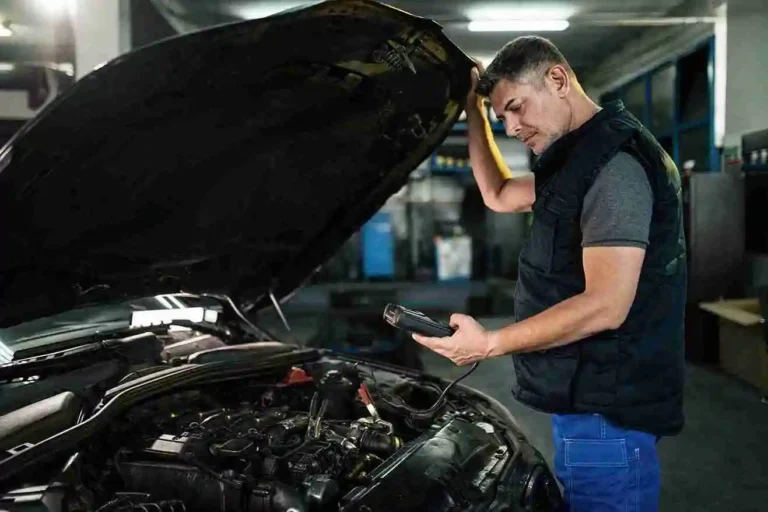
Battery voltage alone doesn’t always tell the whole story. A technician can perform several checks, including:
- Battery voltage testing
- Battery load or conductance testing
- Charging-system testing
- Inspection of battery terminals
- Inspection of cables and connections
- Testing for parasitic electrical drain when necessary
These tests can help determine whether the battery is weak, discharged, or still functioning properly. They can also help identify problems elsewhere in the starting and charging system.
How to Prevent Unexpected Battery Failure
You can’t prevent every battery failure, but regular attention can reduce the chance of being stranded. Check the battery periodically for corrosion, loose connections, or physical damage. Pay attention to changes in how quickly your engine starts. If your vehicle suddenly begins cranking more slowly or requires a jump-start, don’t ignore the warning.
It’s also important to address charging-system problems promptly. A healthy alternator and good electrical connections are essential for keeping the battery properly charged.
When Should You Replace Your Car Battery?
A battery should generally be replaced when testing shows that it can no longer provide reliable starting power or hold a charge as it should. Replacement may also be necessary if the battery is physically damaged or has reached the end of its useful service life. Don’t replace the battery based solely on one symptom. Slow starting or a dead battery can have several possible causes. A professional inspection can determine whether you actually need a new battery or whether another component is responsible.
Need Help With a Dead or Weak Battery in Tampa?
A failing battery can turn a routine day into an unexpected breakdown. Recognizing bad battery symptoms early can help you address the problem before your vehicle leaves you stranded. Slow engine cranking, clicking when starting, dim lights, repeated jump-starts, battery corrosion, and a battery that keeps dying are all reasons to have the starting and charging system checked.
If your car won’t start in Tampa, a mobile mechanic can come to your location to diagnose the problem. This can be especially convenient if you’re at home, work, or in a parking lot and don’t want to arrange a tow before knowing what’s actually wrong.
Don’t automatically assume you need a new battery. Testing the battery, alternator, starter, and electrical system can help identify the real cause of the problem and get you back on the road.