Why Is My Car Losing Oil but Not Leaking? Causes, Warning Signs & What to Do
Have you checked your engine oil and noticed that the level keeps dropping, but there are no oil spots under your car? You’re not imagining it. A car can lose engine oil without leaving an obvious puddle on the ground.
In many cases, the engine is burning the oil internally rather than leaking it externally. Other problems can also cause oil to disappear slowly, including leaks that only occur while the engine is running or leaks that are hidden by engine covers and other components. Ignoring a falling oil level can eventually lead to serious engine damage.
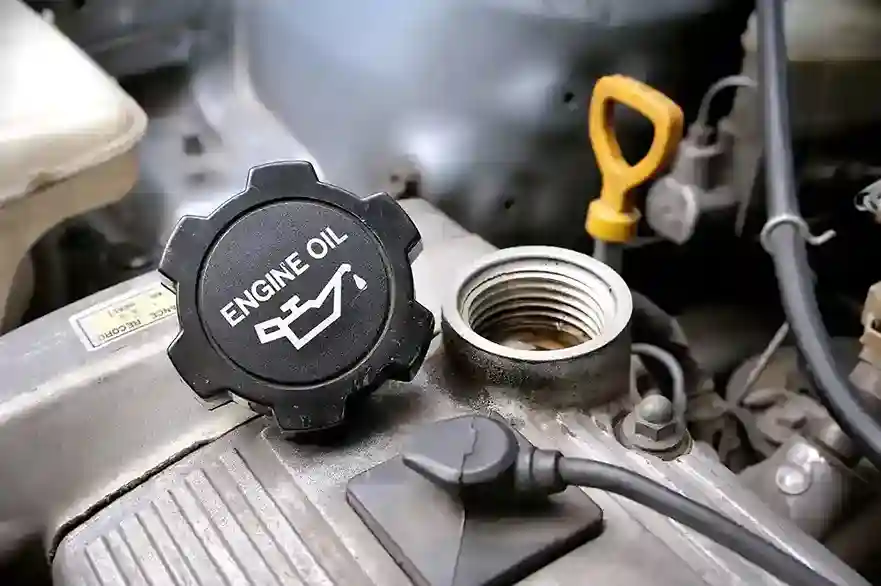
If your car is losing oil but you cannot find a visible leak, here’s what could be happening and what you should do.
Is It Normal for a Car to Lose Oil?
A small amount of oil consumption can occur in some engines, particularly as vehicles get older or accumulate higher mileage. However, a noticeable or rapidly decreasing oil level should not simply be ignored. If you regularly need to add oil between oil changes, something deserves attention.
The important question is:
Where is the oil going?
Generally, there are two possibilities:
- The oil is leaking somewhere you haven’t been able to see.
- The engine is consuming or burning the oil internally.
Finding the actual cause is important because simply adding more oil treats the symptom but doesn’t fix the underlying problem.
1. Your Engine May Be Burning Oil
One of the most common explanations for disappearing engine oil is internal oil consumption. Your engine uses oil to lubricate moving components. Under normal conditions, engine oil should remain separated from the combustion process. But if worn or damaged components allow oil into the combustion chamber, the engine can burn it along with the fuel. This can happen without producing an obvious oil puddle underneath the vehicle.
What causes an engine to burn oil?
Several problems can allow oil into the combustion chamber, including:
- Worn piston rings
- Damaged cylinder walls
- Worn valve stem seals
- Certain PCV system problems
- Turbocharger seal problems on turbocharged engines
A vehicle that burns significant amounts of oil may eventually produce blue or blue-gray exhaust smoke, although smoke isn’t always obvious from the driver’s seat.
2. Worn Piston Rings
Piston rings help seal the combustion chamber and control oil on the cylinder walls. As an engine gets older, piston rings can become worn, stuck, or damaged. When this happens, oil can move past the rings and enter the combustion chamber. The engine then burns the oil during combustion.
Possible symptoms include:
- Falling oil levels
- Blue smoke from the exhaust
- Reduced engine performance
- Increased emissions
- Poor fuel economy
- Lower compression in affected cylinders
However, piston-ring problems aren’t something that can be confirmed simply by looking at the oil level. A mechanic may need to perform diagnostic tests such as a compression test or leak-down test to determine whether internal engine wear is involved.
3. Worn Valve Stem Seals
Valve stem seals help prevent engine oil from entering areas where it shouldn’t. When these seals become worn or damaged, oil can seep into the combustion chamber. One possible clue is blue smoke after the vehicle has been sitting for a while or during certain driving conditions, although symptoms vary depending on the engine and severity of the problem.
Valve stem seal replacement can range from a relatively straightforward repair on some engines to a much more involved job on others. That’s why proper diagnosis should come before replacing parts.
4. A Faulty PCV System Could Be Consuming Oil
The positive crankcase ventilation (PCV) system helps manage gases and pressure that build up inside an engine’s crankcase.If the PCV valve or related components become restricted, damaged, or malfunctioning, abnormal crankcase pressure can develop. Depending on the vehicle, this can contribute to increased oil consumption or cause oil to be pulled into the intake system. PCV problems can sometimes be much less expensive to repair than major internal engine damage, which is another reason diagnosis matters.
If your oil level is dropping and you haven’t found a conventional leak, checking the PCV system can be worthwhile.
5. Your Car May Have a Hidden Oil Leak
“No oil on the driveway” doesn’t necessarily mean “no oil leak.” Some oil leaks are difficult to see because the oil may:
- Leak only while the engine is running
- Land on hot engine components
- Be blown underneath the vehicle while driving
- Collect on engine covers
- Run down the side of the engine
- Leak from an area hidden from view
- Drip onto other components rather than the ground
For example, a small leak may leave oil residue around a gasket or seal without producing a noticeable puddle. Oil can also accumulate on the underside of an engine or splash onto other components while the vehicle is being driven. A professional inspection can help identify these less-obvious leaks.
6. A Valve Cover Gasket May Be Leaking
The valve cover sits over the top portion of the engine and is sealed with a gasket. Over time, the gasket can harden, shrink, or develop leaks. A valve cover gasket leak may leave oil around the upper portion of the engine. Depending on where the oil travels, you may not notice anything on the ground. In some cases, oil can also reach hot engine components and produce a burning-oil smell. If you notice a burning smell along with a decreasing oil level, don’t ignore it.
7. Oil May Be Leaking Into Areas You Can’t Easily See
Modern engines contain many seals, gaskets, hoses, and components that can potentially develop leaks. Possible sources include:
- Oil pan gasket
- Timing cover
- Front or rear crankshaft seals
- Camshaft seals
- Oil filter housing
- Oil cooler seals
- Turbocharger oil lines
- Other engine seals and gaskets
Some of these areas are difficult to inspect without getting underneath the vehicle or removing other components. This is why repeatedly adding oil without investigating the cause can become expensive in the long run.
8. Turbocharged Engines Can Consume Oil
If your vehicle has a turbocharger, the turbocharger should also be considered when diagnosing unexplained oil consumption. Turbochargers operate at very high speeds and temperatures and depend on proper lubrication. A problem with the turbocharger’s seals or lubrication system can allow oil to enter the intake or exhaust side. Possible symptoms may include:
- Increased oil consumption
- Blue smoke
- Reduced power
- Whining or unusual turbo noises
- Oil inside parts of the intake system
Not every turbocharged vehicle with oil consumption has a bad turbo, so proper testing is important before replacing an expensive component.
9. You May Be Checking the Oil Incorrectly
Before assuming there’s a mechanical problem, make sure you’re measuring the oil level correctly. For vehicles equipped with a traditional dipstick, generally:
- Park on a reasonably level surface.
- Turn the engine off.
- Allow the vehicle to sit for several minutes so oil can drain back into the pan.
- Remove the dipstick.
- Wipe it clean.
- Reinsert it fully.
- Remove it again and check the level.
Your vehicle’s owner’s manual should be followed because the correct procedure can vary by vehicle. Some newer vehicles also use electronic oil-level monitoring instead of a traditional dipstick, and the manufacturer’s instructions should be followed. A consistent measurement method makes it much easier to determine whether the engine is actually losing oil.
10. How Much Oil Loss Is Too Much?
There isn’t one universal amount that applies to every vehicle. Oil consumption varies depending on:
- Engine design
- Vehicle age
- Mileage
- Driving conditions
- Engine condition
- Manufacturer specifications
- Oil type and viscosity
The most important thing is to watch the trend. If you check your oil regularly and discover that the level is repeatedly dropping between oil changes, it’s worth having the vehicle inspected. A sudden drop is particularly concerning. If the oil level becomes very low, continued driving can result in inadequate lubrication and potentially severe engine damage.
Warning Signs You Shouldn’t Ignore
A decreasing oil level becomes more concerning when it occurs alongside other symptoms. Watch for:
Blue exhaust smoke
Blue or blue-gray smoke can indicate that the engine is burning oil.
Burning oil smell
A strong burning-oil odor may indicate oil contacting hot engine or exhaust components.
Oil warning light
If your oil pressure warning light comes on, take it seriously. Do not assume it simply means you need an oil change. Oil pressure problems can cause serious engine damage.
Engine knocking or ticking
Unusual engine noises can sometimes occur when lubrication is inadequate or when internal engine components are experiencing problems.
Visible oil residue
Oil around the engine, under the vehicle, or on components can indicate an external leak.
Frequent need to add oil
If you’re constantly carrying extra oil because your vehicle keeps needing top-offs, find out why.
Can You Keep Driving a Car That Is Losing Oil?
That depends on how quickly the oil is being lost and why it’s happening. A small, slow oil-consumption problem may not cause immediate engine failure, but it still deserves attention.
A significant leak or rapidly falling oil level is much more serious. The biggest danger is allowing the oil level to become too low. Engine oil provides lubrication and helps manage heat and friction between moving components. If the engine runs with insufficient oil, internal components can suffer accelerated wear or catastrophic damage. If your oil warning light comes on, you see a major leak, or the engine develops serious noises, it’s safer to stop driving and have the vehicle inspected.
How a Mechanic Diagnoses Unexplained Oil Loss
Finding the cause usually requires more than simply looking underneath the car. A mechanic may inspect:
1. Engine and surrounding components
The engine is checked for oil residue, wet areas, and signs of seepage.
2. Oil filter and drain plug
These areas are inspected for leaks, particularly following recent maintenance.
3. Valve covers and gaskets
The upper portion of the engine is checked for oil leakage.
4. PCV system
The PCV valve and related components may be inspected for proper operation.
5. Exhaust smoke
Visible exhaust smoke can provide clues about internal oil consumption.
6. Intake and turbocharger system
Turbocharged vehicles may require additional inspection.
7. Engine compression
Compression testing can help identify certain internal engine problems.
8. Leak-down testing
A leak-down test can provide additional information about cylinder sealing and potential internal engine wear.
The exact diagnostic approach depends on the vehicle and symptoms.
What Should You Do If Your Car Is Losing Oil but Not Leaking?
Don’t simply keep adding oil indefinitely. Instead:
Check the oil level regularly
Until the cause is identified, monitor the oil level closely and keep it within the manufacturer’s recommended range.
Look for other symptoms
Pay attention to smoke, burning smells, engine noises, warning lights, and changes in performance.
Check for obvious leaks
Look around the engine compartment and underneath the vehicle for oil residue—but don’t place yourself in an unsafe position underneath a running vehicle.
Schedule an inspection
A mechanic can determine whether you’re dealing with an external leak, internal oil consumption, or another problem.
Don’t ignore a warning light
If the oil pressure warning light comes on, treat it as an urgent issue rather than simply adding oil and continuing to drive.
Why Tampa Drivers Should Pay Attention to Oil Consumption
Tampa’s warm climate means vehicles can spend a lot of time operating in high temperatures, especially during summer. That makes routine maintenance particularly important. If you frequently drive in stop-and-go traffic, make short trips, spend long periods in traffic, or operate an older high-mileage vehicle, regular checks of your engine oil level are a smart habit. Regardless of where you live, though, rapid or unexplained oil loss is not something to dismiss as normal.
Need Help Finding Out Where Your Oil Is Going?
If your vehicle’s oil level keeps dropping but you can’t find a puddle underneath it, the problem could be an internal oil-consumption issue, a hidden leak, or a component such as the PCV system or turbocharger. The right repair starts with the right diagnosis.
A mobile mechanic in Tampa can inspect your vehicle at a convenient location and help determine what is causing the oil loss before a relatively small problem turns into expensive engine damage. If you’re repeatedly adding oil between oil changes, seeing blue smoke, smelling burning oil, or noticing an oil warning light, don’t wait until the engine stops running. Get the problem diagnosed and find out where your oil is going.